-
![Dizzy Panic (1)]() Stress Control Tips
Stress Control TipsUnderstanding Panic Attacks and How Managing Stress Can Help
In this blog we’ll take a closer look at panic attacks and how managing stress can help control them.
-
![To Do List Blog Pic]() Stress Control Tips
Stress Control Tips3 ways to take control of your to-do list
This blog explores three practical methods to help reduce stress by tackling your to-do list one task at a time.
Stress Control Tips
Hangxiety: Why Drinking Affects Your Mental Health and 10 Ways to Feel Better
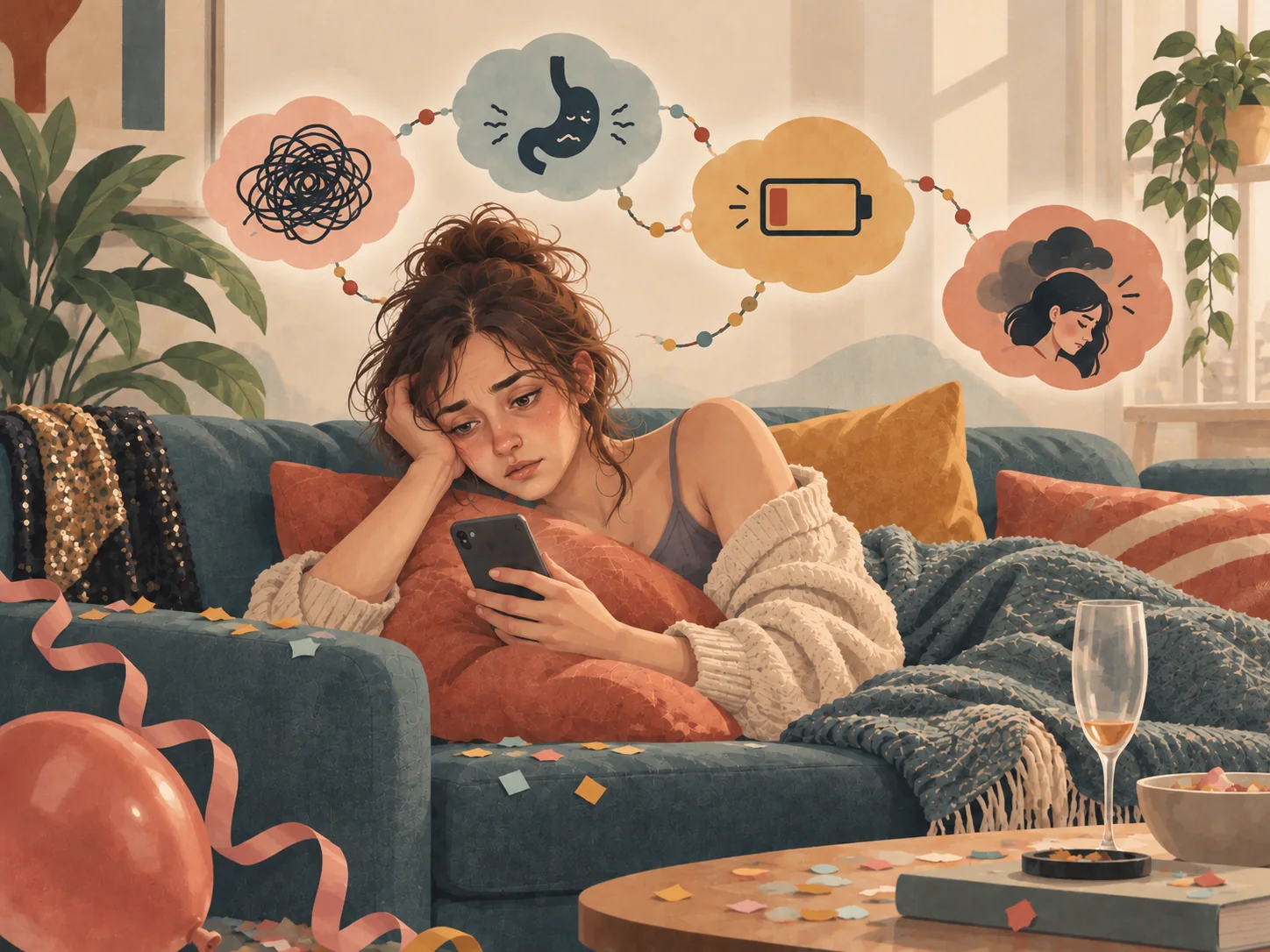
Have you ever woken up after a night out feeling unusually anxious, embarrassed or worried about things you said or did?
Perhaps you're replaying conversations in your head, worrying that you've upset someone or feeling low without really knowing why.
This experience is often called hangxiety (sometimes spelt hanxiety) — the anxiety that can accompany a hangover.
But alcohol doesn't just affect anxiety. It can also influence our mood, sleep, concentration and ability to cope with everyday stress.
Understanding why this happens can help you make sense of how you're feeling and find practical ways to look after your mental wellbeing.
What is hangxiety?
Hangxiety describes feelings of anxiety, nervousness or unease after drinking alcohol, often appearing the following morning.
It can involve both physical and emotional symptoms, including:
- Feeling unusually worried, tense or on edge.
- Replaying conversations or questioning things you've said.
- Feeling embarrassed, guilty or overly self-critical.
- Experiencing a racing heart, restlessness or shakiness.
- Struggling to concentrate or think clearly.
- Feeling emotionally drained, irritable or low.
Not everyone experiences hangxiety, and its intensity can vary considerably.
For some people, it's a relatively mild feeling of unease. For others, it can be an unpleasant combination of physical hangover symptoms and overwhelming thoughts.
Why does alcohol cause anxiety the next day?
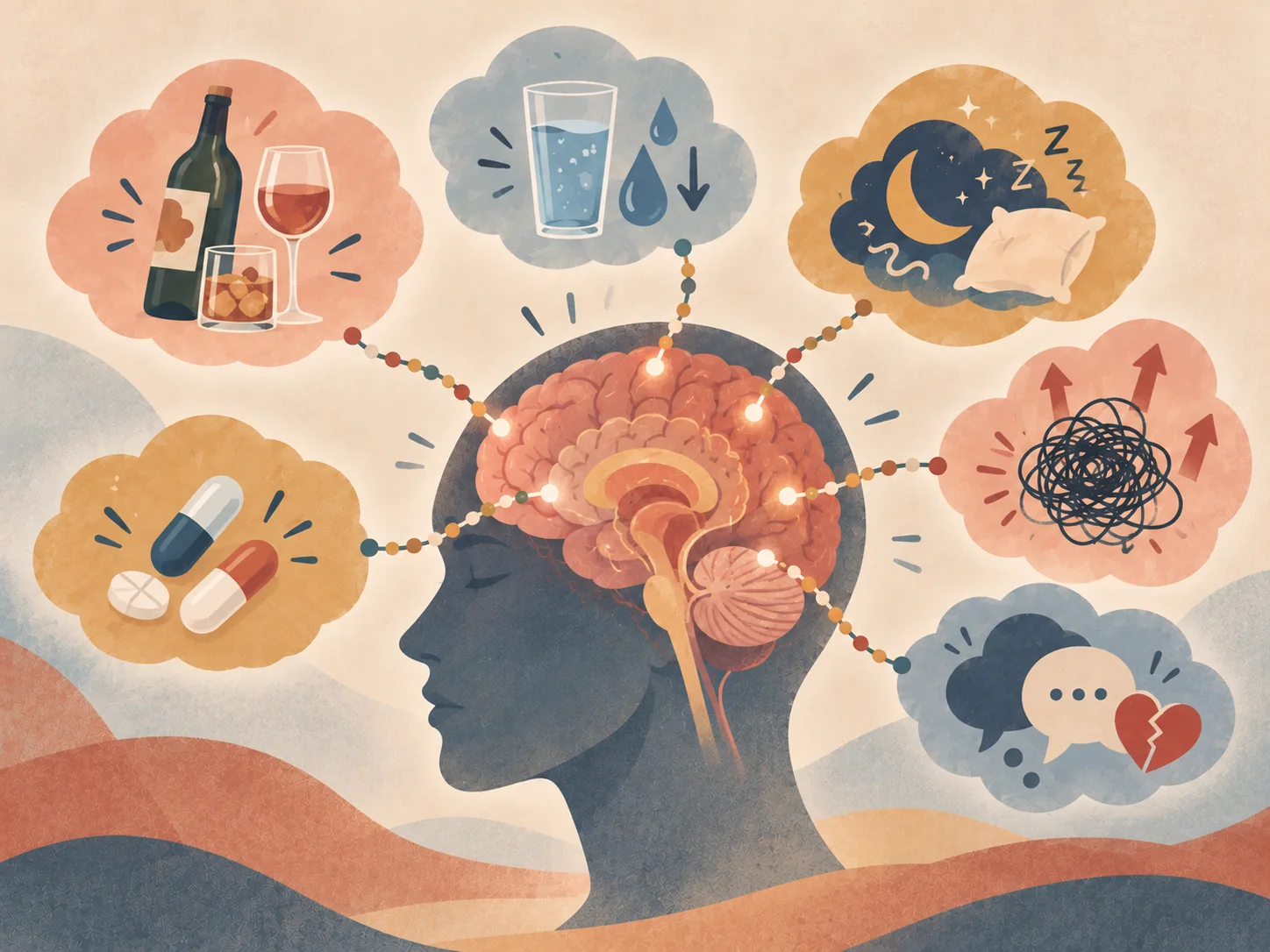
Alcohol affects several systems involved in how we think, feel and respond to stress.
Although drinking may initially make us feel more relaxed or sociable, its effects on the brain and body can contribute to feeling unsettled afterwards.
Alcohol changes brain activity
Alcohol influences chemical signalling in the brain, including systems involving GABA and glutamate.
These systems help regulate brain activity. Alcohol generally increases inhibitory signalling and reduces some excitatory signalling while we're drinking.
As alcohol's effects wear off, the brain's attempts to maintain balance can contribute to feelings of restlessness and anxiety.
However, hangxiety is complex and cannot be explained by a single neurotransmitter or chemical imbalance.
Alcohol disrupts sleep
You might fall asleep more quickly after drinking, but alcohol can interfere with normal sleep patterns and cause more disrupted sleep later in the night.
Poor sleep can leave us feeling tired, irritable and less able to manage difficult emotions.
When we're exhausted, everyday worries may seem harder to cope with.
Physical hangover symptoms can increase distress
Headaches, nausea, dehydration, tiredness and a racing heart can all contribute to feeling unwell.
These physical sensations can also resemble symptoms of anxiety.
If you're already prone to worrying about bodily sensations, feeling physically unwell may make anxious thoughts more difficult to manage.
Alcohol can affect our thinking and behaviour
Alcohol can reduce inhibitions and affect judgement while we're drinking.
The following day, we may find ourselves questioning what happened or worrying about how others perceived us.
When we're anxious, it's easy to assume the worst, even when we don't have evidence that anything went wrong.
This can create a cycle of worry, self-criticism and repeatedly going over events in our minds.
Can alcohol make you feel depressed the next day?
Yes. Anxiety isn't the only emotional difficulty associated with hangovers.
Some people experience low mood, sadness, irritability, guilt or a lack of motivation after drinking.
Research has found an association between hangovers and increased negative emotions, including both anxiety and depressed mood.
Alcohol-related sleep disruption, feeling physically unwell, emotional vulnerability and worrying about the previous evening can all contribute to a difficult day.
However, feeling low after drinking doesn't necessarily mean you have clinical depression.
Temporary changes in mood may improve as the hangover passes. If low mood persists, happens regularly or interferes with everyday life, it's important to seek professional advice rather than assume alcohol is the only cause.
Repeated or heavy drinking can also contribute to longer-term mental health difficulties, including anxiety and depression.
How long does hangxiety last?
There's no fixed timeframe.
Hangover symptoms often become noticeable as alcohol leaves the bloodstream. Many improve within approximately 24 hours, although some can last longer.
How someone feels depends on several factors, including the amount consumed, sleep quality, general health and individual sensitivity to alcohol.
If anxiety continues long after the physical hangover has passed, it may be worth considering whether other factors are contributing.
Persistent or severe symptoms shouldn't automatically be dismissed as hangxiety.
10 ways to manage hangxiety and feel better
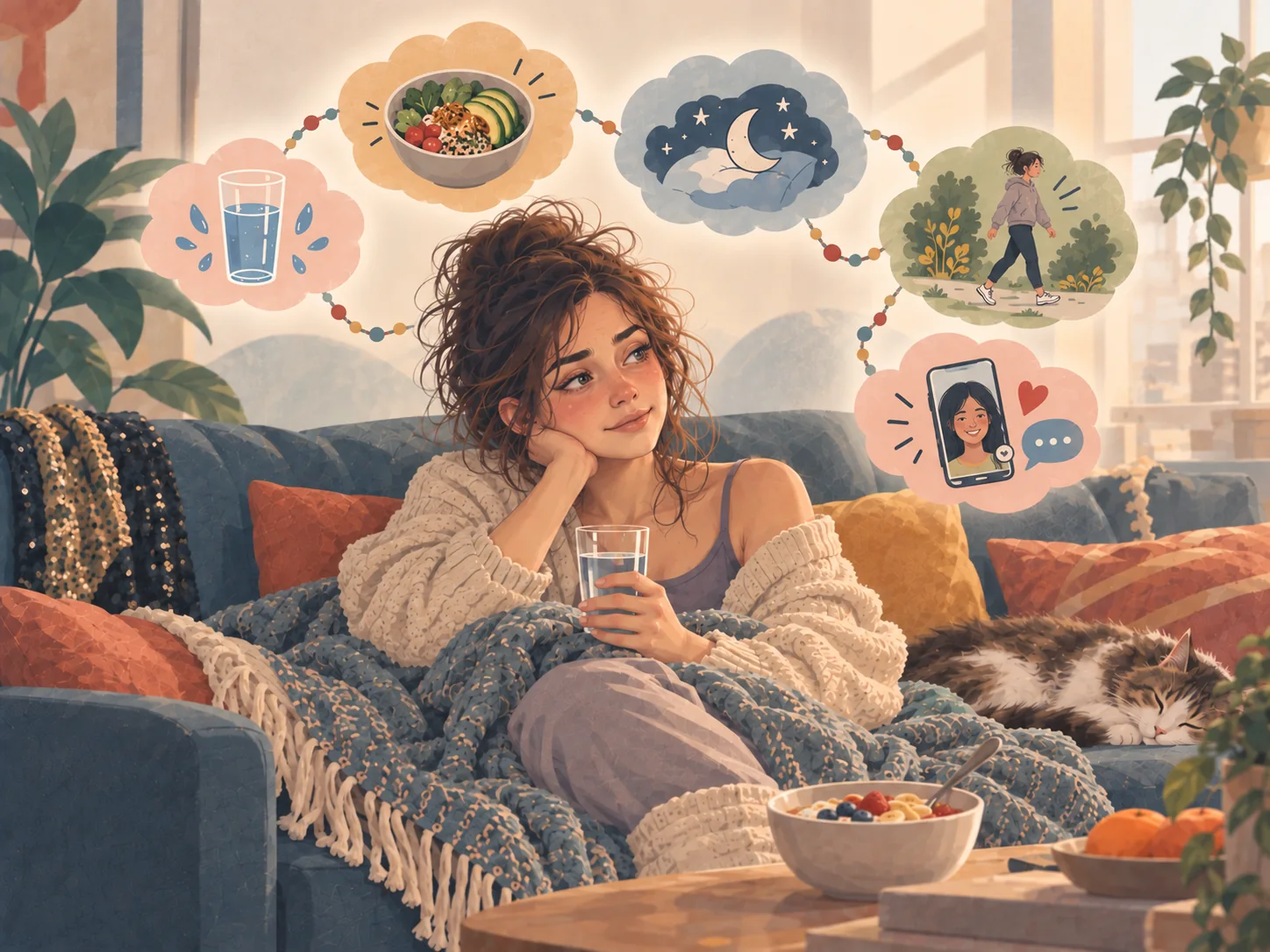
There isn't a scientifically proven instant cure for hangxiety. However, some simple steps may help you feel more comfortable while your body recovers and support your emotional wellbeing.
1. Remind yourself that how you feel may be temporary
When you're feeling anxious, it's easy to believe that something is seriously wrong.
Remind yourself that poor sleep, physical discomfort and the after-effects of alcohol may be influencing how you feel.
You don't have to resolve every worry immediately.
2. Drink water and look after your physical needs
Alcohol can increase fluid loss, and dehydration may contribute to some hangover symptoms.
Drink water regularly and give your body time to recover.
Staying hydrated can help with dehydration, although it won't instantly remove alcohol's effects or cure hangxiety.
3. Eat something nourishing
If you feel able to eat, choose a balanced meal or a light snack.
Going for long periods without eating can leave you feeling tired or uncomfortable, particularly when you're already recovering from a disrupted night.
You don't need special supplements or a particular food to 'reset' your brain chemistry.
4. Give yourself time to rest
Poor sleep can make anxiety, irritability and low mood harder to manage.
If you've slept badly, try to allow time for rest and return to your usual sleeping routine.
Avoid putting unnecessary pressure on yourself to be productive when you're not feeling your best.
5. Be mindful of caffeine
You might be tempted to drink extra coffee to overcome tiredness.
However, caffeine can increase feelings of jitteriness or interfere with sleep, particularly if you're sensitive to it.
It also won't speed up the process of recovering from a hangover.
6. Challenge anxious thoughts
Hangxiety often involves thoughts such as:
- "Did I embarrass myself?"
- "What if I said something stupid?"
- "Everyone must think badly of me."
Rather than automatically accepting these thoughts as facts, ask yourself:
- What evidence do I actually have?
- Am I assuming the worst?
- Would I judge someone else this harshly?
- Could tiredness and anxiety be affecting my interpretation?
This is an example of a CBT-based approach to managing unhelpful thinking.
7. Avoid repeatedly replaying the previous evening
Constantly reviewing conversations or checking messages for reassurance can keep worries going.
If there's something genuinely important to address, you can deal with it when you're feeling calmer and thinking more clearly.
Otherwise, try gently redirecting your attention towards something more helpful.
8. Try some gentle movement or relaxation
If you're feeling well enough, a short walk, fresh air or gentle stretching may help you feel more settled.
Relaxation or slow, comfortable breathing can also help manage feelings of tension.
These strategies support general wellbeing, but they don't speed up alcohol clearance.
9. Talk to someone you trust
Anxiety can make worries feel bigger when we keep them to ourselves.
Talking to a supportive friend or family member may help you gain perspective.
You don't necessarily need someone to reassure you that everything was perfect. Sometimes simply sharing how you feel can be helpful.
10. Think about your relationship with alcohol
If hangxiety happens regularly, it may be worth reflecting on how much you're drinking and how alcohol affects your wellbeing.
You might decide to drink less, alternate alcoholic drinks with alcohol-free options, or avoid drinking in situations where you feel uncomfortable.
Reducing alcohol consumption can lower the likelihood of experiencing another hangover. Choosing not to drink is the most reliable way to avoid alcohol-related hangxiety.
There are now plenty of appealing alcohol-free options, so enjoying social occasions doesn't have to mean drinking alcohol.
When hangxiety might be something more serious
Although hangxiety is often temporary, not every symptom after drinking should be attributed to a hangover.
If anxiety or symptoms of depression are persistent, severe or interfering with your daily life, speak to your GP or another qualified healthcare professional.
Alcohol withdrawal is different from an ordinary hangover. People who are physically dependent on alcohol can develop withdrawal symptoms when they reduce or stop drinking. These may include shaking, sweating, anxiety and a racing heartbeat.
Severe withdrawal can cause confusion, hallucinations or seizures and requires emergency medical care.
If you think you may be physically dependent on alcohol, seek medical advice before stopping suddenly.
Managing anxiety, stress and depression with Stress Control
Although hangxiety is linked to alcohol, the thoughts and feelings that accompany it can resemble those experienced during everyday stress, anxiety and depression.
Worrying about what others think, imagining the worst, being overly self-critical and repeatedly going over events are all patterns that can make emotional difficulties harder to manage.
Stress Control is a structured, CBT-based programme designed to help people understand how thoughts, emotions, physical reactions and behaviour interact.
It introduces practical approaches to managing anxiety, stress and depression, including improving sleep, recognising unhelpful thinking patterns and developing healthier coping strategies.
Stress Control at Home makes the programme available online, so you can learn these skills privately and at your own pace.
If worry, anxiety or symptoms of depression are affecting you beyond the occasional hangover, learning how to manage these patterns may be a helpful step.
Explore Stress Control at Home and see what's included →
Getting additional support
Stress Control provides practical skills for managing anxiety, stress and depression, but it is not a treatment for alcohol dependence or withdrawal.
If you're concerned about your drinking, your GP can offer confidential advice and help you access appropriate support.
You can also contact:
- UK: Drinkline — 0300 123 1110 (free, confidential alcohol advice).
- Republic of Ireland: HSE Drugs and Alcohol Helpline — 1800 459 459 (free, confidential information and support).
If you're physically dependent on alcohol, don't stop drinking suddenly without medical advice. Severe alcohol withdrawal can be dangerous and requires urgent medical attention.

