How Dopamine Affects Stress: 6 Ways to Support Your Wellbeing
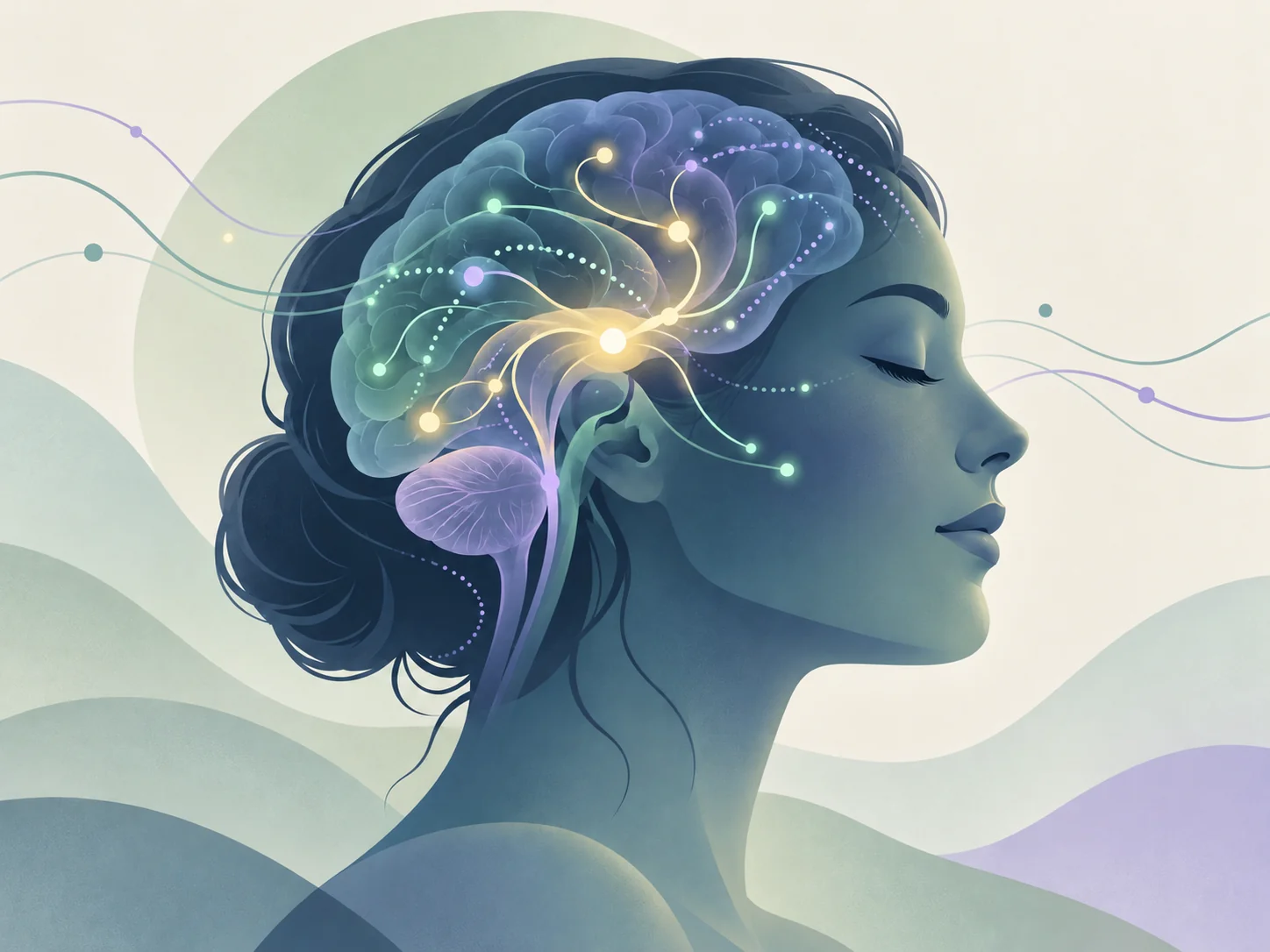
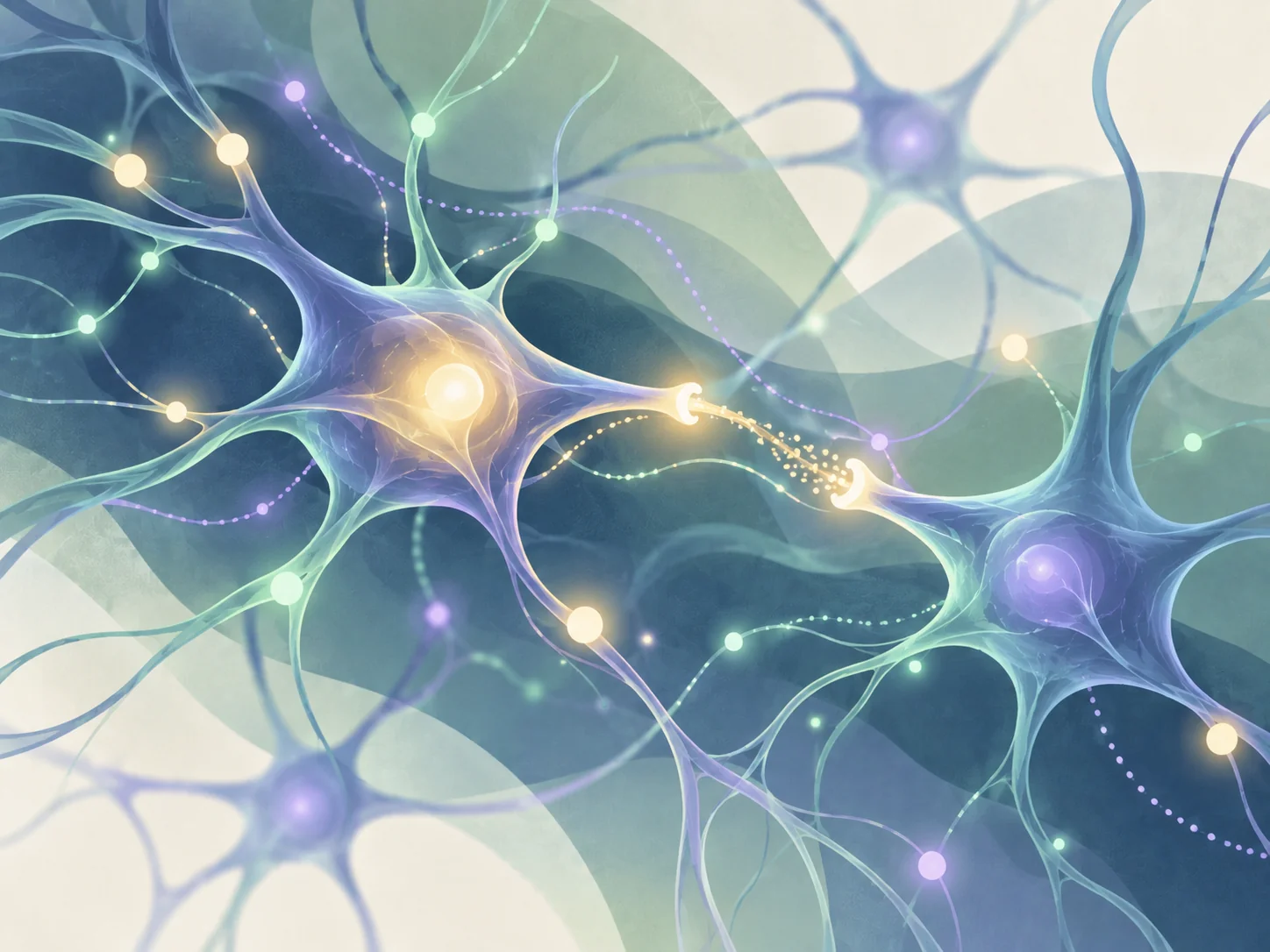
Your brain is constantly sending messages between cells to regulate everything from your thoughts and emotions to your energy and behaviour. These messages are carried by neurotransmitters — chemical messengers that allow brain cells to communicate.
One of these neurotransmitters is dopamine. It plays an important role in motivation, learning and how we respond to rewards. It is also involved in the way our brains respond to stress.
Understanding the relationship between dopamine and stress can help explain why prolonged stress sometimes leaves us feeling unmotivated, mentally exhausted or less interested in activities we would normally enjoy.
In this article, we'll look at what dopamine does, how stress can affect it and six practical ways to support your mental health and wellbeing.
What is dopamine and why does it matter?
Dopamine is often described as the brain's "feel-good" chemical, but its role is much broader than simply making us feel happy.
It is involved in several important functions, including:
- Motivation: Helping us work towards goals and decide whether something is worth the effort.
- Reward and learning: Helping the brain recognise important experiences and learn from them.
- Attention and concentration: Contributing to processes involved in focus and decision-making.
- Movement: Playing an essential role in coordinating physical movement.
Dopamine doesn't work in isolation. It interacts with other neurotransmitters and brain systems involved in emotions, behaviour and our responses to stress.
Rather than thinking of dopamine as something we simply need more of, it's more useful to understand how the brain's dopamine systems contribute to everyday functioning.
How does stress affect dopamine?
Stress and dopamine have a complex relationship.
When we encounter something stressful, the brain activates several systems that help us respond to the situation. Dopamine is involved in these responses, influencing how we assess challenges, respond to rewards and decide what actions to take.
Short-term stress can increase dopamine activity in certain areas of the brain. This may help us respond to immediate demands or challenges.
However, prolonged or repeated stress can change how dopamine systems function. Research suggests that chronic stress can affect motivation, reward processing and our ability to experience enjoyment.
This doesn't mean that stress simply uses up dopamine or always causes dopamine levels to fall. Its effects depend on factors such as the type of stress, how long it lasts and which brain systems are involved.
These changes may help explain why ongoing stress can sometimes leave us feeling less motivated or make previously enjoyable activities seem less rewarding.
How stress can affect motivation and mood
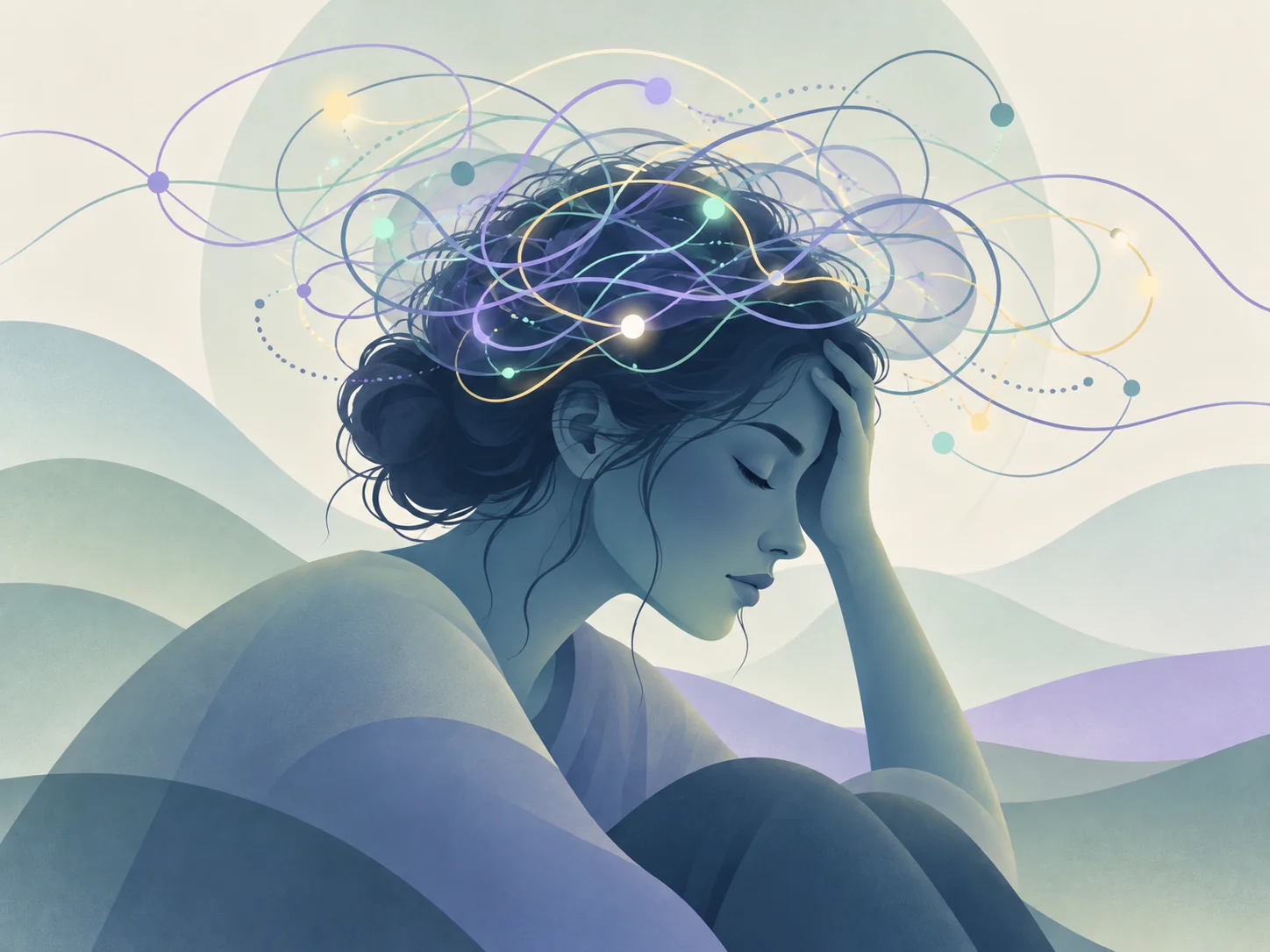
When stress continues over a long period, it can affect the way we think, feel and behave.
Common experiences include:
- Finding it difficult to get motivated, even for everyday tasks.
- Struggling to concentrate or make decisions.
- Feeling mentally or physically exhausted.
- Losing interest in activities that would normally be enjoyable.
- Feeling overwhelmed by relatively small demands.
- Finding it harder to get started on things or follow them through.
Dopamine is one of several brain chemicals involved in motivation and reward, but these experiences shouldn't automatically be interpreted as signs of a dopamine deficiency.
They can also occur with anxiety, depression, poor sleep and other physical or mental health difficulties.
The important point is that prolonged stress can affect more than how worried or tense we feel. It can also influence our energy, motivation, concentration and enjoyment of everyday life.
Does dopamine reduce stress or cortisol?
Dopamine is sometimes described as a chemical that reduces stress, but the relationship isn't quite that straightforward.
Cortisol is a hormone involved in the body's stress response. Dopamine is a neurotransmitter that plays a role in motivation, reward and several other brain functions.
Both are involved in how we respond to challenging situations, but they have different roles.
Dopamine doesn't simply cancel out cortisol or act as a natural antidote to stress.
Research suggests that stress can alter dopamine activity, while dopamine systems also contribute to how we respond to stressful experiences.
Rather than trying to increase a particular brain chemical, a more useful approach is to develop habits and coping strategies that support our overall mental health and help us manage stress more effectively.
Six ways to support your wellbeing
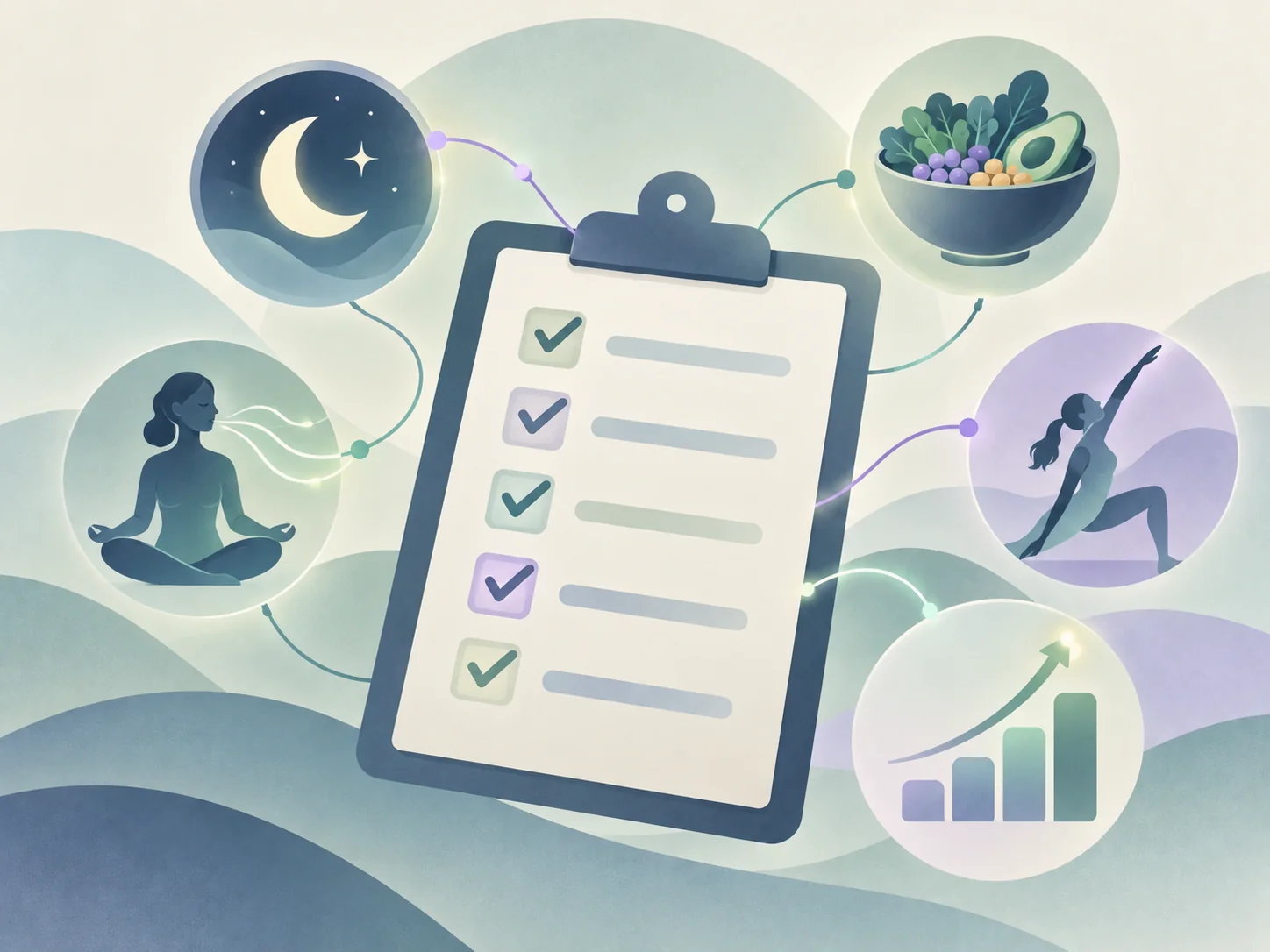
Although there isn't a simple way to "reset" or control dopamine levels through everyday activities, there are practical steps we can take to support healthy brain function, motivation and emotional wellbeing.
Many of these habits can also help reduce stress and improve how we feel day to day.
1. Prioritise good sleep
Sleep is essential for healthy brain function, concentration and emotional regulation.
When we're not sleeping well, everyday demands can feel more difficult, and we may find it harder to concentrate, stay motivated or manage our emotions.
Try to maintain a regular sleep routine, allow enough time for rest and develop a relaxing wind-down routine before bed.
Even small improvements to your sleep habits can make a difference to how you feel and cope during the day.
2. Eat a balanced diet
A balanced diet provides the nutrients your brain and body need to function properly.
Dopamine is made from an amino acid called tyrosine, which is found in protein-containing foods such as eggs, fish, poultry, dairy products, tofu, beans and seeds.
However, eating more tyrosine doesn't necessarily mean your brain will produce more dopamine.
Rather than focusing on individual nutrients as a way to boost brain chemicals, aim for a varied, balanced diet that supports your general health and wellbeing.
3. Exercise regularly
Regular physical activity has well-established benefits for mental health.
Activities such as walking, cycling, swimming or dancing can help reduce stress, improve mood and support better sleep.
Exercise also affects several brain systems involved in motivation and wellbeing, although its benefits cannot be explained by dopamine alone.
You don't need to undertake intense exercise to benefit. Finding something you enjoy and can do regularly is often more helpful than setting unrealistic goals.
4. Take breaks from screens and overstimulation
Phones, social media and other digital activities can easily occupy large amounts of our time and attention.
Although popular explanations sometimes describe this as "dopamine overload", ordinary screen use doesn't automatically deplete dopamine or damage the brain's reward system.
However, spending excessive time online may interfere with sleep, concentration or activities that support wellbeing.
Taking regular breaks, setting boundaries around screen use and making time for other enjoyable activities can help create a healthier balance.
5. Practise mindfulness or relaxation
When we're stressed, our attention can become caught up in worries about the future or things that have happened in the past.
Mindfulness involves learning to bring our attention back to the present moment, rather than becoming absorbed in every thought or worry.
Practising mindfulness, relaxation or simple breathing exercises can help some people manage stress and feel calmer.
These techniques don't need to work by increasing dopamine to be useful. Their value lies in helping us develop a different response to stress.
6. Set small, achievable goals
Stress can make even simple tasks feel overwhelming, particularly when we're tired, anxious or struggling with motivation.
Breaking larger tasks into smaller, manageable steps can make it easier to get started and experience a sense of progress.
Completing a task can feel rewarding, and the brain's dopamine systems are involved in motivation and learning from rewarding experiences.
Try choosing one small, realistic goal rather than attempting to tackle everything at once.
Over time, these small achievements can help build confidence and momentum.
Managing stress with Stress Control
Understanding how dopamine and stress are connected is useful, but managing stress involves much more than changing one particular brain chemical.
Stress can affect our thoughts, physical reactions, emotions and behaviour. These responses often interact, creating patterns that can make stress more difficult to manage.
Stress Control is a structured, CBT-based programme designed to help people understand these patterns and develop practical skills for managing anxiety, depression and related difficulties.
The programme covers a range of approaches, including improving sleep, managing unhelpful thinking, relaxation and making positive changes to everyday behaviour.
Stress Control at Home brings the programme online, allowing you to work through the course privately, at your own pace, and develop practical skills you can use in everyday life.